


Denim Fabric | Cotton Canvas & Stretch Denim by the Yard
Our classic cotton denim fabric is woven from 100% ring-spun cotton for durability and authentic texture. This medium-weight denim weighs 8-10 oz per square yard, making it ideal for jeans, overalls, jackets, and home décor projects.
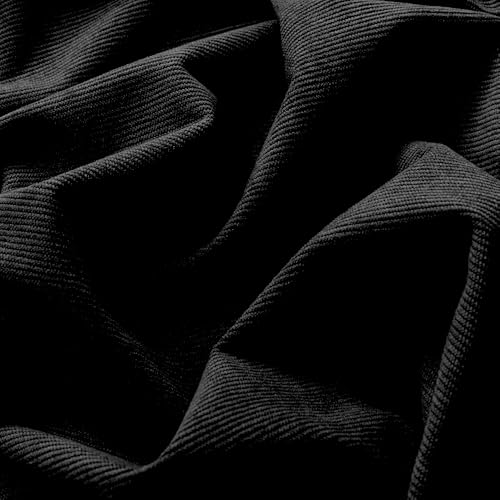
The tight twill weave delivers the signature diagonal ribbing denim is known for, while the natural cotton fiber softens beautifully with each wash. We offer indigo, black, and medium blue washes, plus raw selvedge edges on select bolts.
Denim specs & care
Denim Fabric Weight & Construction
Denim fabric at JOANN ranges from lightweight 4 oz chambray to heavy 14 oz upholstery-grade material. The weight you choose depends on your project — lighter weights drape well for shirts and dresses, while medium weights (8-10 oz) are the standard for jeans and jackets.
All our denim fabric uses a twill weave, which creates the diagonal ribbing on the surface. This construction gives denim its characteristic strength and durability. The warp yarns (running lengthwise) are typically dyed indigo or another dark color, while the weft yarns (running crosswise) remain white or natural, producing the classic two-tone appearance.
Stretch vs. 100% Cotton Denim
Choosing between stretch and 100% cotton denim fabric depends on fit and comfort needs. Our stretch denim incorporates 2-4% spandex, allowing the fabric to move with your body while maintaining shape. This blend is ideal for fitted jeans, jeggings, and activewear-inspired garments.
Pure cotton denim offers a more traditional feel and appearance. It breaks in over time, conforming to your body through wear rather than mechanical stretch. Many sewers prefer 100% cotton for vintage-style projects, workwear, and pieces where structure matters more than flexibility.
Sewing & Care Instructions for Denim
Sewing denim fabric requires a few adjustments to your standard sewing setup. Use a denim or jeans needle (size 90/14 or 100/16) to penetrate the dense weave without breaking. A longer stitch length (3.0-3.5 mm) works best, and polyester or cotton-wrapped polyester thread provides the strength needed for durable seams.
Pre-wash your denim fabric before cutting to account for shrinkage. Most cotton denim shrinks 3-5% in length on the first wash, even when labeled pre-shrunk. Washing also softens the hand and sets the dye, reducing the risk of color transfer in your finished project.
More Cotton & Canvas Fabrics for Your Next Project


Rated 4.8 by verified buyers
Denim Fabric Questions from Our Customers
Most adult jeans require 2 to 2.5 yards of denim fabric, depending on the style and your measurements. Straight-leg and bootcut jeans typically need 2 yards for sizes small through large. Wide-leg styles, plus sizes, or jeans with large pockets may require 2.5 to 3 yards.
Buy an extra half yard if you’re working with a directional print or if you want to match pattern elements at the seams. Children’s jeans need 1 to 1.5 yards, depending on age and size.
Yes, always pre-wash denim fabric before cutting and sewing. Cotton denim shrinks 3-5% in length during the first wash, even when labeled pre-shrunk. Washing also softens the fabric and sets the dye, reducing the risk of color bleeding onto other garments later.
Wash denim in cold or warm water, then tumble dry on medium heat or line dry. Press the fabric while it’s still slightly damp for easier handling during cutting and sewing.
Use a denim or jeans needle in size 90/14 or 100/16 when sewing medium to heavyweight denim fabric. These needles have a sharp point and a stronger shaft designed to penetrate dense twill weaves without breaking or bending.
For lightweight chambray, a universal needle in size 80/12 works well. When topstitching, switch to a topstitch needle with a larger eye to accommodate heavier thread.
Yes, heavyweight denim fabric (12-14 oz) is suitable for upholstery on chairs, ottomans, cushions, and headboards. The tight twill weave resists abrasion, and the natural cotton fiber is durable enough for daily use.
For best results, choose denim with a soil-release finish or apply a fabric protector spray after installation. Denim upholstery develops a lived-in patina over time, which many people find appealing for casual or rustic interiors.
Denim uses a twill weave with colored warp yarns and white weft yarns, creating a diagonal ribbing on the surface. Chambray uses a plain weave with the same colored warp and white weft, resulting in a smooth, heathered appearance without the diagonal texture.
Denim is generally heavier and more durable, making it ideal for jeans and workwear. Chambray is lighter and softer, suited for shirts, dresses, and children’s clothing. Both are 100% cotton and share a similar casual aesthetic.
Yes, we cut denim fabric to order by the yard at all JOANN stores and online. You can purchase as little as 1/4 yard or as much as you need for large projects. Our fabric is cut fresh from the bolt, so you get the exact amount you specify.
Pricing varies by weight and fiber content. Lightweight chambray starts around $8.99/yard, while heavyweight upholstery denim runs approximately $14.99/yard. Watch for sales and use your JOANN coupons to save on yardage purchases.
Finish raw edges with a serger, zigzag stitch, or pinking shears immediately after cutting. Denim fabric frays more than quilting cotton because of its looser twill weave, so securing edges early in the sewing process prevents unraveling.
For hems and visible seams, use a double-fold hem or bind edges with bias tape. Topstitching 1/8 inch from the edge also helps lock down fibers and adds a professional finish to your project.